Researchers from the Analytical Chemistry of Technological Risks Group (GUIAR) at I3A Unizar are part of the ALERT-PYR cross-border cooperation project, which was created to ensure an effective and coordinated response to emergencies that may affect people, property and the environment in the border area between Spain and France. The initiative seeks to establish a common geographical territory where risks on both sides of the Pyrenees are jointly identified, assessed and managed.
All these risks will be identified, assessed and shared in this border area. From there, common procedures for action will be developed and implemented, bringing together the resources available on both sides of the border and increasing the effectiveness of emergency management.
In addition, the project aims to improve operational communication and promote joint training between both countries, in order to manage risks in a joint, coordinated and shared manner.
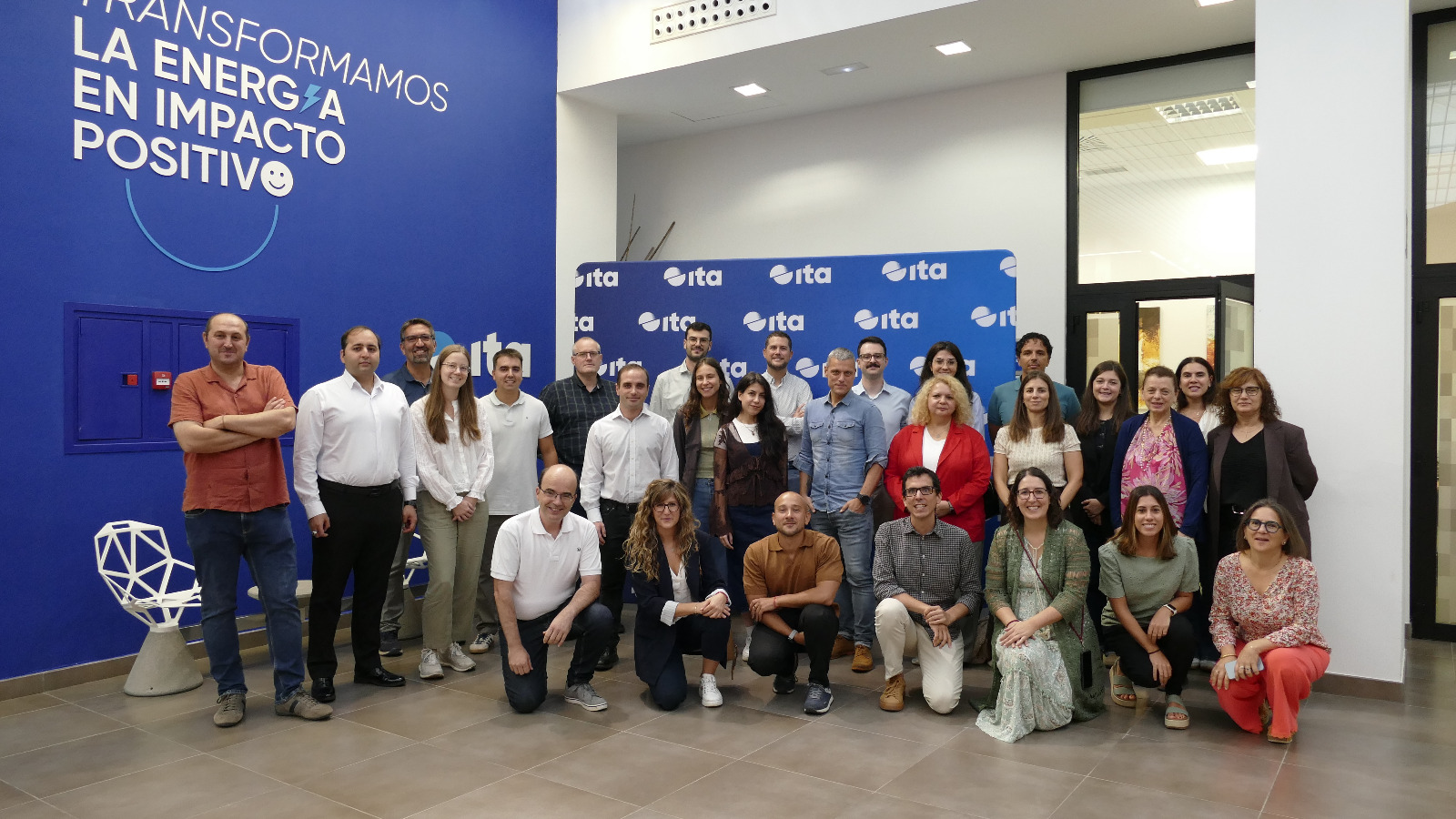
It will run for three years, until April 2027, with a budget of nearly five million euros, involving eleven partners from France, the Basque Country, Navarre, Val d'Arán and Aragon.
Responding to emergencies without borders
For the GUIAR research group at the Aragón Engineering Research Institute (I3A) of the University of Zaragoza, the importance of this research lies in the complexity of current risks and the need to create a common working framework regardless of linguistic and operational differences. Cross-border collaboration and the joint use of resources, as well as the exchange of information between different teams, will enable more effective action to be taken to protect people, property and the environment.
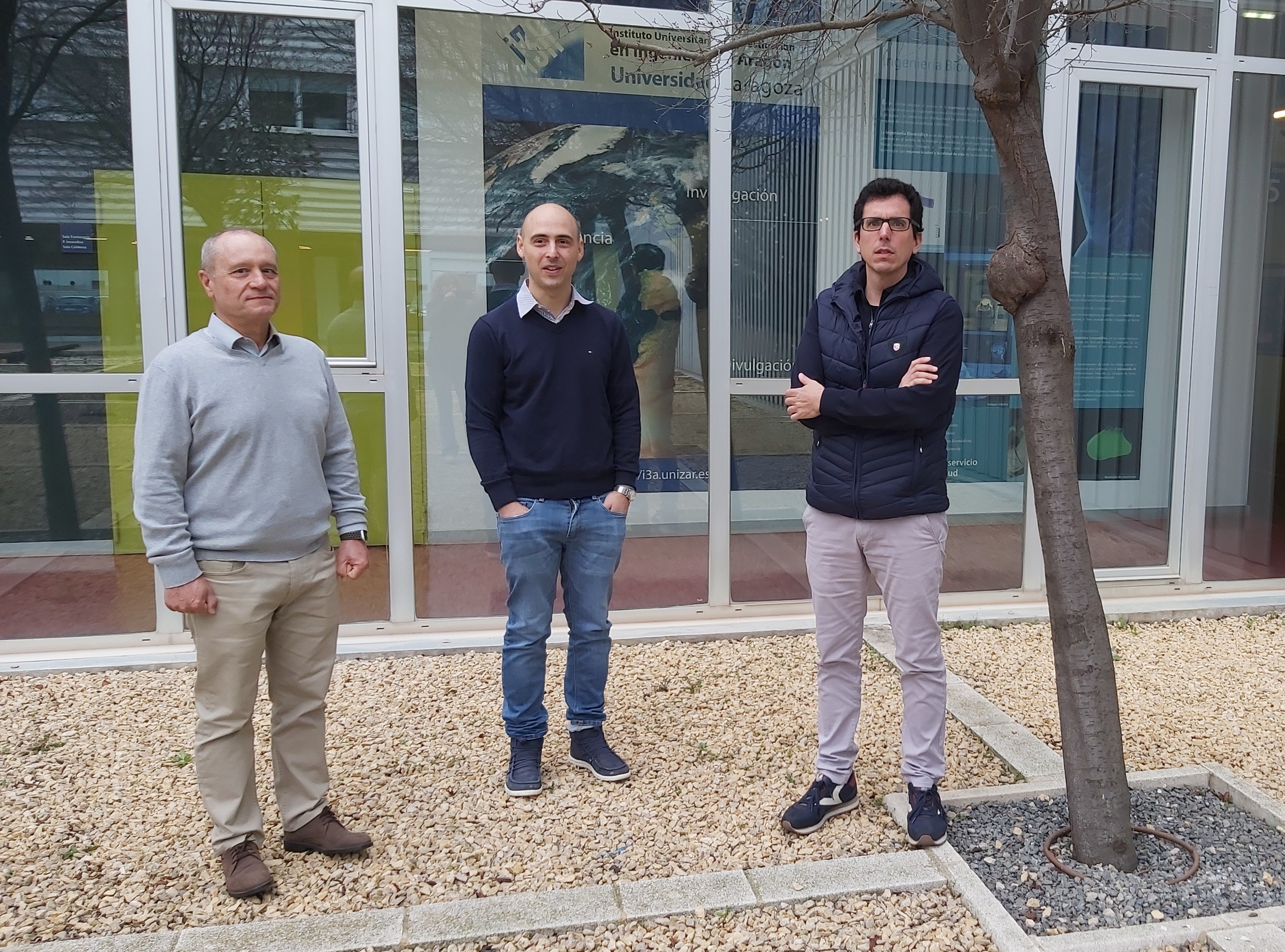
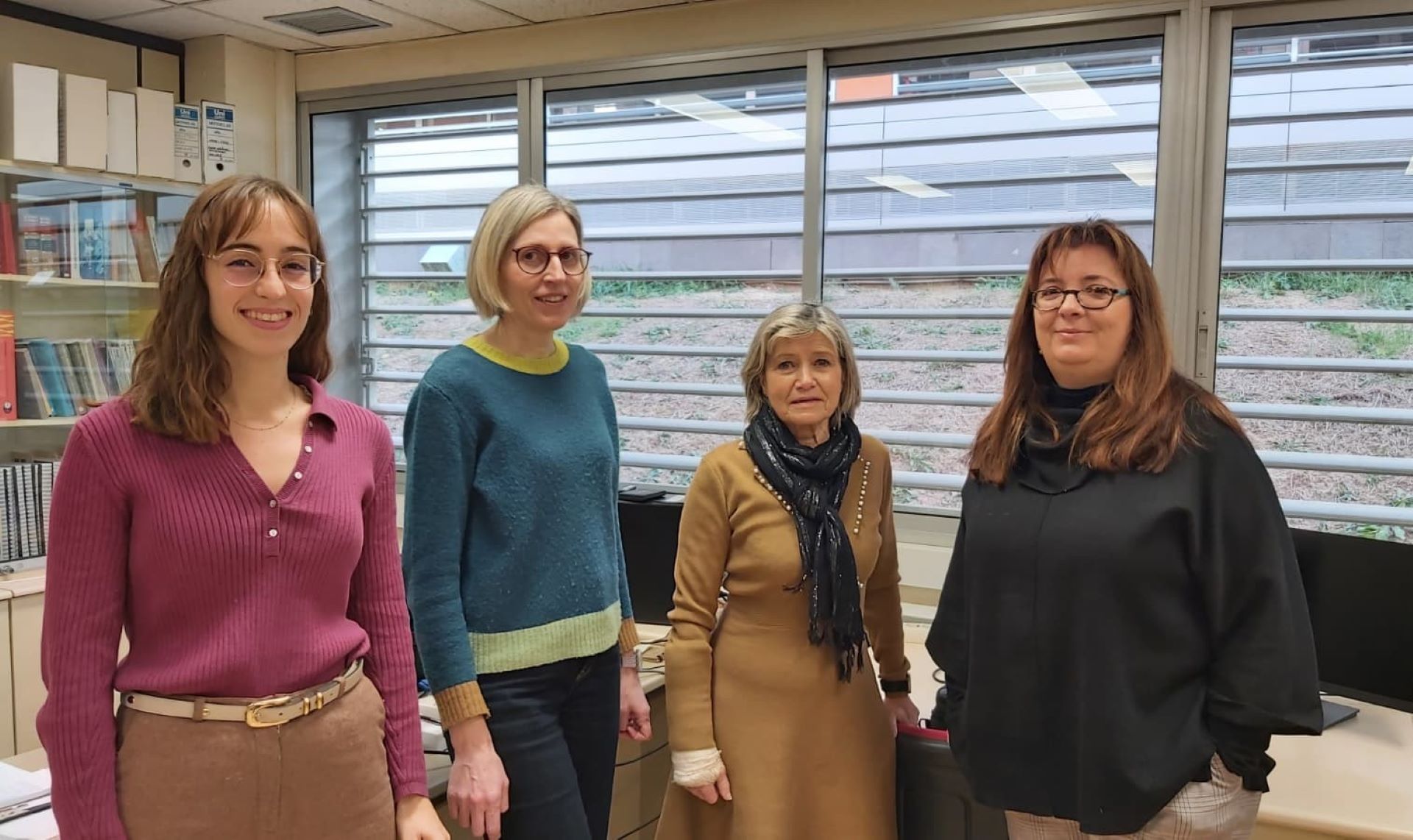
"For our research group, this means putting all our work into practice on a much larger scale, in this case between two countries. Collaborating with other partners will enable us to gain a greater understanding of the dangers involved, specifically those related to chemical risk," say researchers Cristina Nerín, Araceli Tena, Berta Seco and Blanca Cetina, who, together with Carlos Rubio, Jesús Salafranca and Esther Asensio, make up the team from the University of Zaragoza participating in the Alert-Pyr project.
An example of this could be gathering information on establishments that handle hazardous chemicals in the cross-border area, in order to understand the risks involved and study accident scenarios, establish action measures with the resources provided by those involved in the emergency response, regardless of which side of the border they come from.
It is a multidisciplinary project aimed at facilitating the management of natural and technological risks, the use of communication technologies, the creation of a common cartographic database, and the training and capacity building of the teams involved. ‘As it is a cross-border project, it requires a coordinated approach to challenges in order to ensure the proper use of available resources and provide the best possible response in emergency situations,’ explain the researchers from the GUIAR group.
Trust between countries
The ALERT-PYR project promotes international cooperation and trust between agencies in both countries, including increased citizen safety. This project will serve as a benchmark for international cooperation in civil protection, which may be established with other countries.
About the ALERT-PYR project
Interreg Poctefa
Budget: €4.9 million.
Duration: 3 years, until April 2027.
Partners:
- Service départemental d’Incendie et de Secours des PYRENEES ATLANTIQUES - SDIS64.
- Service départemental d’Incendie et de Secours des HAUTES-PYRENEES - SDIS65.
- Service départemental d’Incendie et de Secours de la HAUTE-GARONNE - SDIS31.
- Université de Technologie Tarbes Occitanie Pyrénées (UTTOP).
- Diputación Foral de GIPUZKOA (DFG).
- Gobierno de Navarra – Departamento de Interior, Función Pública y Justicia.
- Gobierno de Aragón – Departamento de Presidencia, Interior y Cultura.
- Gobierno de Aragón – Departamento de Desarrollo Territorial, Despoblación y Justicia.
- Gobierno de Aragón – Departamento de Medio Ambiente y Turismo.
- Universidad de Zaragoza – UNIZAR.
- Pompièrs Emergéncies SL – VAL D’ARAN