Talking about the cancer journey is not just about talking about a disease; it is a long process that affects not only the person receiving the diagnosis but also those around them. Placing the person at the center of care is essential, not only from a clinical perspective but also in terms of their daily care, emotional well-being, values, and how they cope with the disease. A cancer journey impacts daily life, decision-making, family dynamics, and how care is understood.
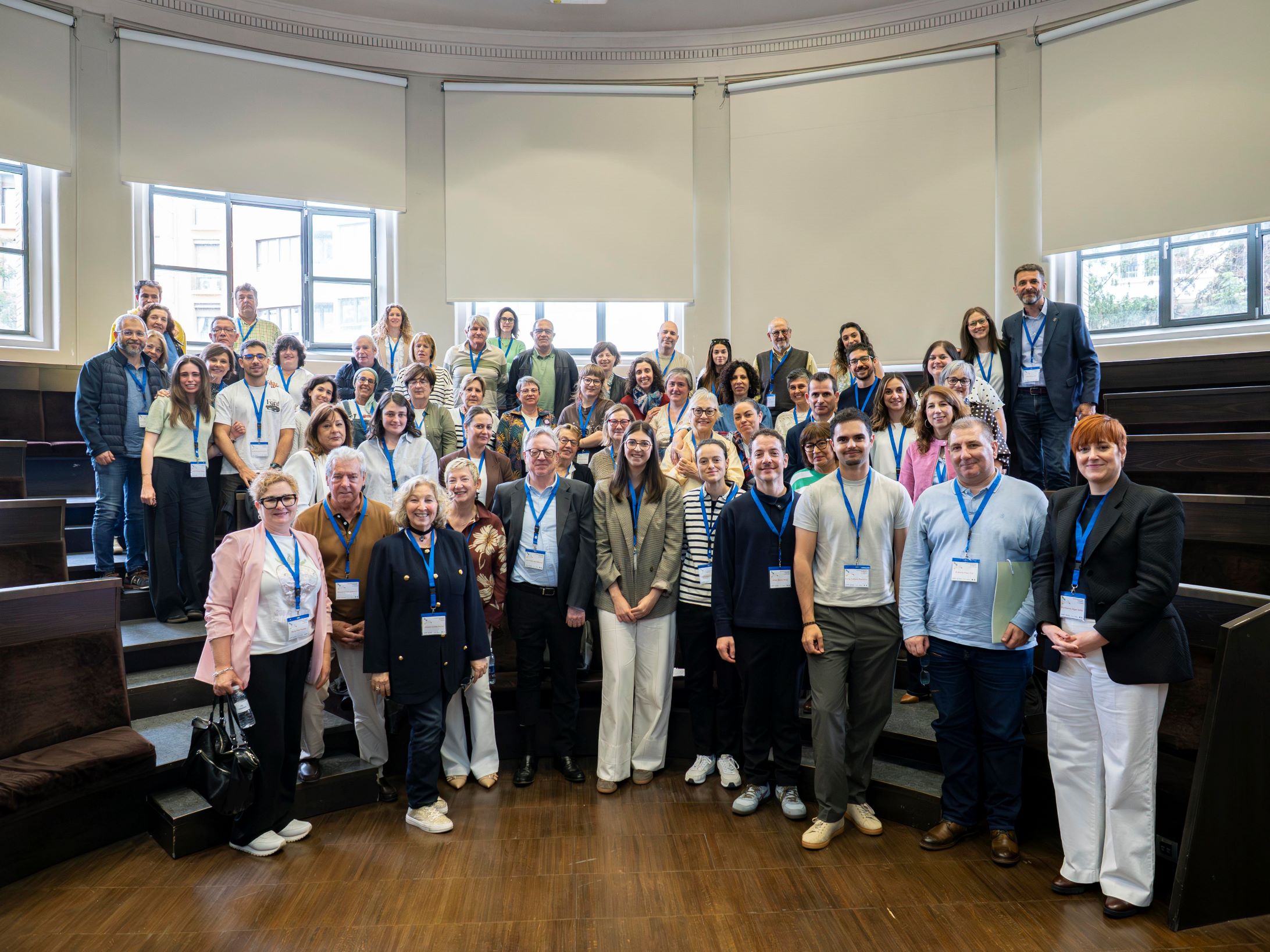
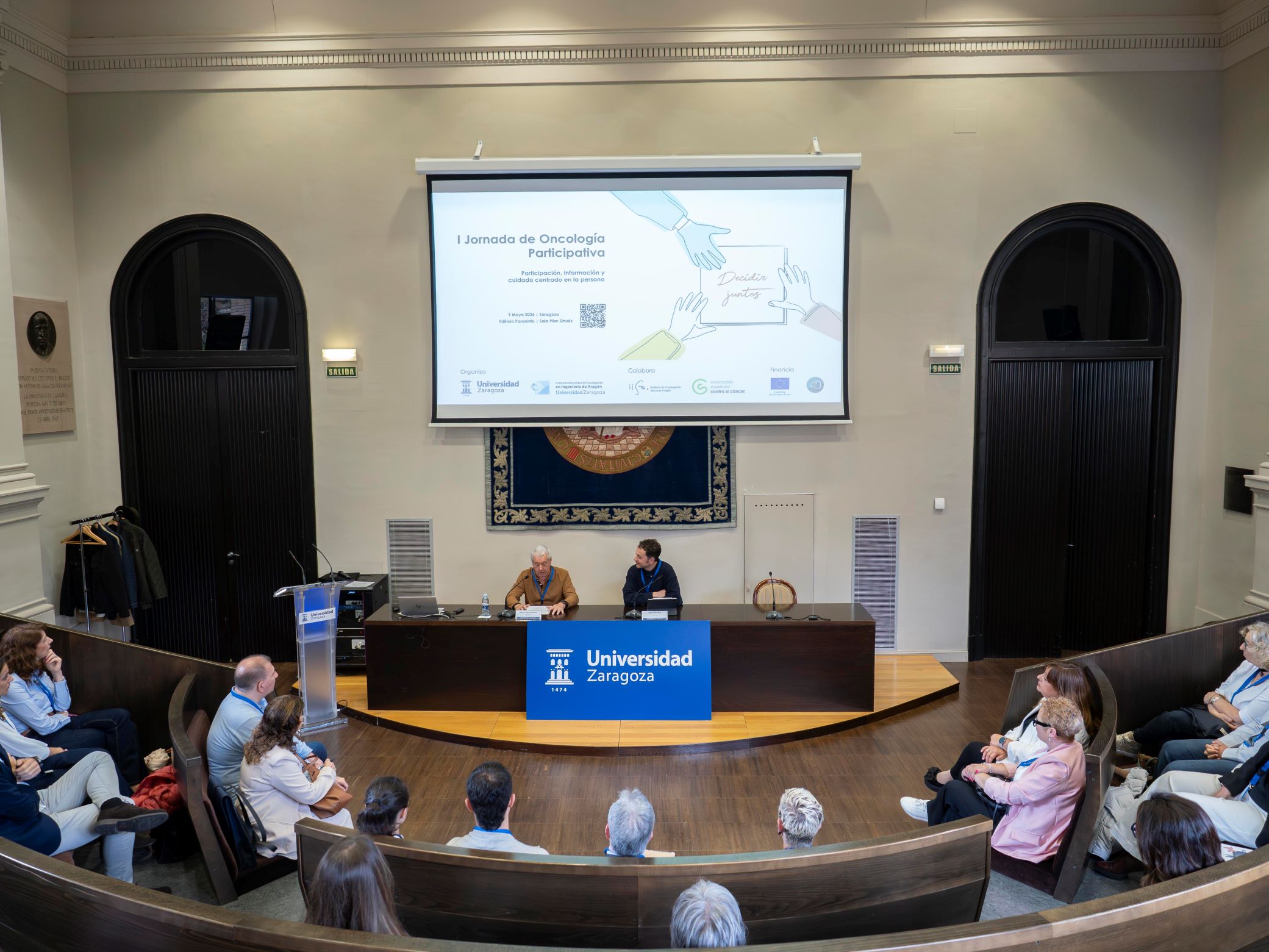
On Saturday, May 9, the Paraninfo Auditorium at the University of Zaragoza hosted the First Conference on Participatory Oncology: Deciding Together. The event brought together nearly 100 people with the aim of creating a shared space where patients, family members, and healthcare professionals could reflect together on how to move toward a more humane, participatory, and patient-centered approach to care.
Initiated by the Patient and Public Involvement in Research (PPI) group as part of the European 4D PICTURE project (https://4dpicture.eu/), which includes researchers from the Aragón Engineering Research Institute (I3A) at the University of Zaragoza and the Aragón Health Research Institute (IIS Aragón). This conference highlights something fundamental: integrating the experiences of people diagnosed with cancer and their families to generate knowledge and innovation with real impact. During the meeting, the importance of collaborative work in this type of disease, multidisciplinary teams, comprehensive care, and a biopsychosocial approach was emphasized.
The event was organized in collaboration with the Spanish Association Against Cancer in Zaragoza. Throughout the morning, key issues were discussed, including the patient’s active role in their own healthcare journey, the importance of clear and accessible information, shared decision-making between patients and healthcare professionals, the value of companionship, support from patient organizations, and comprehensive care.
All of this took place in a dynamic and engaging format, where dialogue, active listening, and participation took center stage. Organized around four roundtable discussions, the event succeeded in fostering a sense of being heard and understood, sharing real-life experiences, addressing key concerns, connecting with others, and learning about available support resources.
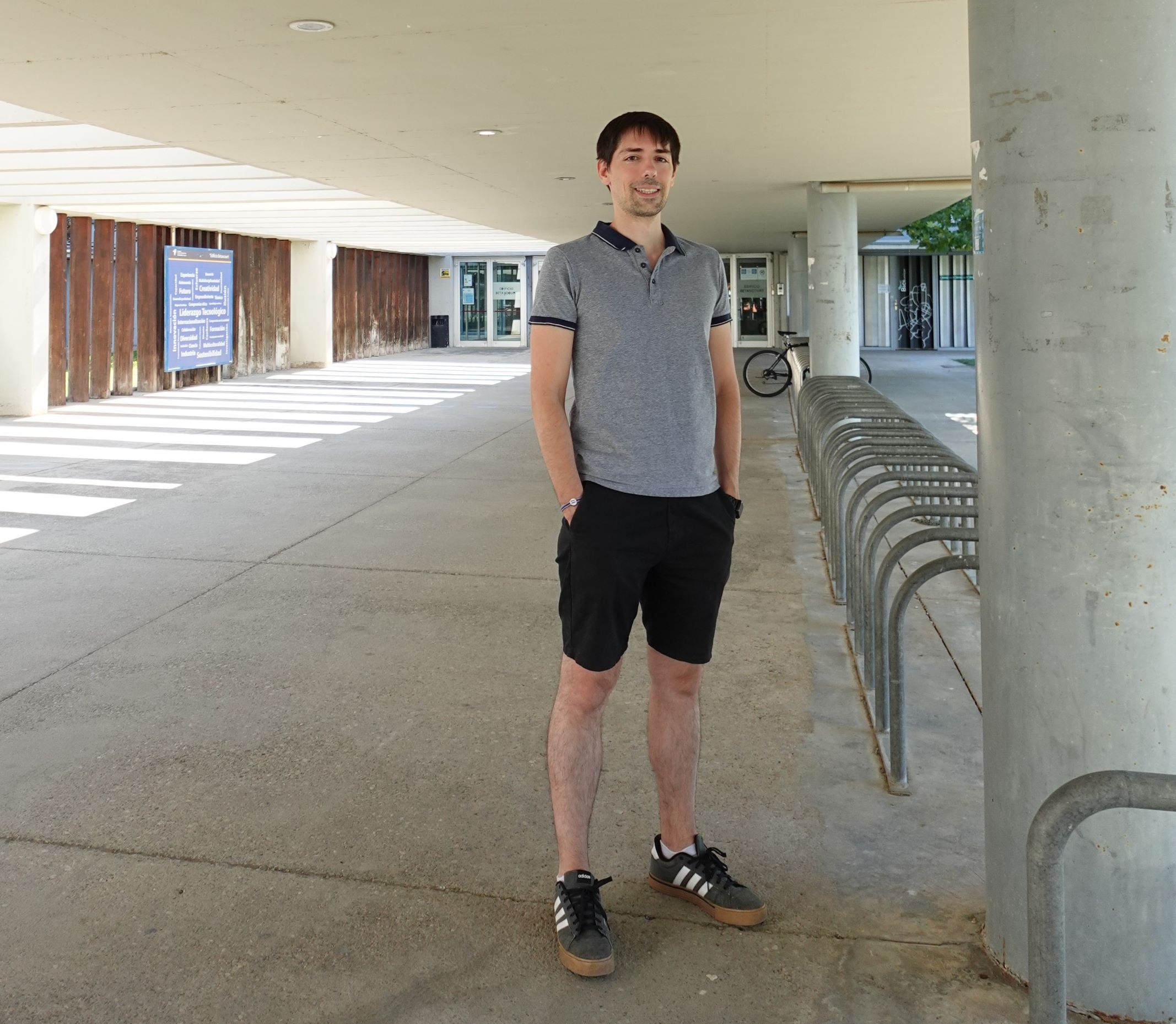
Toward the end of the day, Jorge Sierra, a researcher at I3A who is participating in the 4D PICTURE project, highlighted “the countless hours of work that go into a European project, the emotions involved, and the opportunity to help others,” while emphasizing the importance of “sharing what we do; reaching out to society is essential.”
Photographs: Juan Antonio Pérez Vela (Asociación Española Contra el Cáncer en Zaragoza)