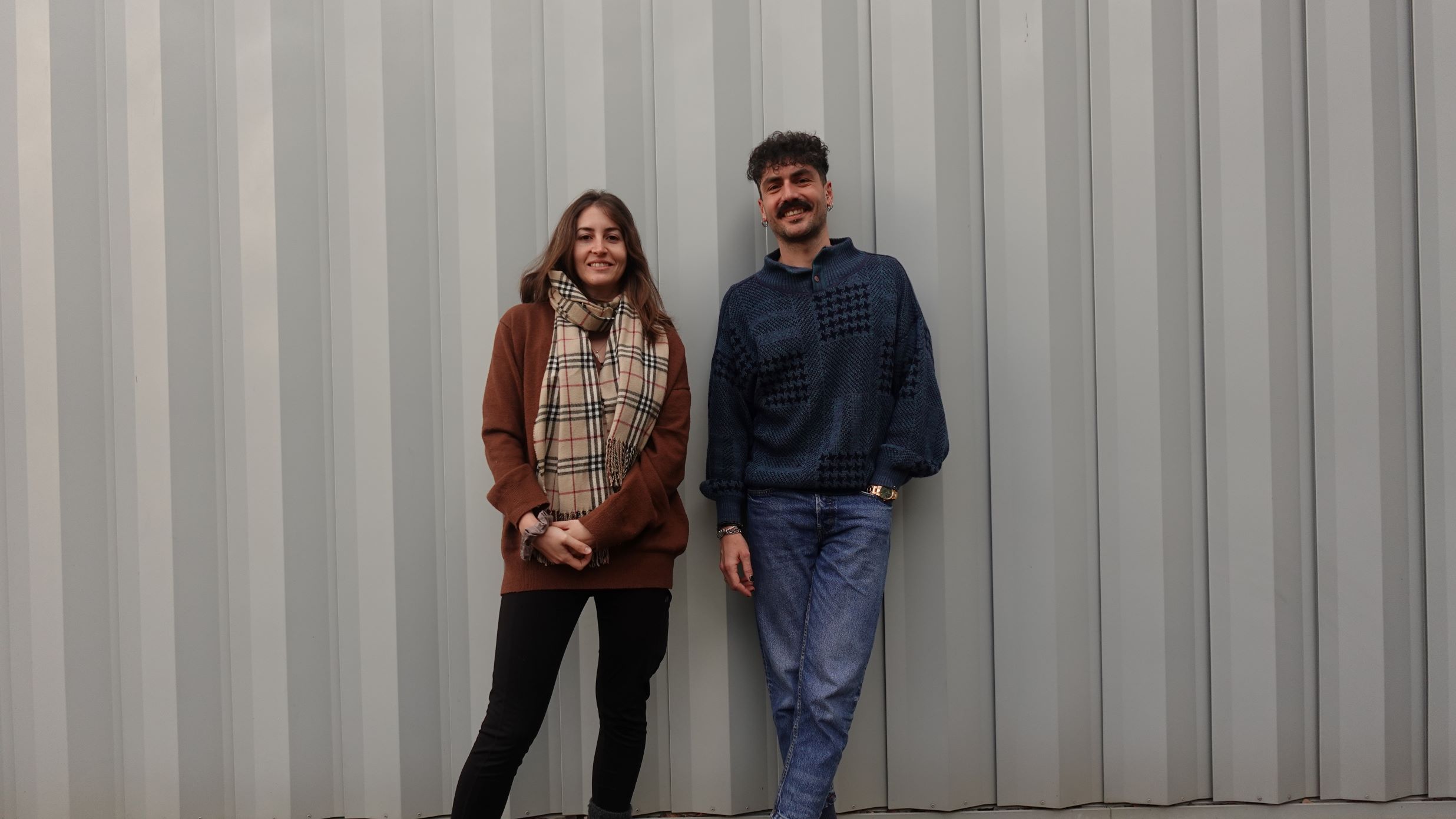
Mariel Estévez and Salvatore Ciano, two young researchers from Argentina and Italy, have joined the Aragón Engineering Research Institute (I3A) after being selected in the competitive 2025 call for Marie Skłodowska-Curie Postdoctoral Fellowships, one of the European Union's most prestigious grants for promoting research careers. Their funded projects, SAFE-GREENPACK and MIND CLARITY, will be developed at the I3A, at the University of Zaragoza, in the areas of food safety and artificial intelligence applied to mental health.
The Marie Skłodowska-Curie Actions seek to ensure the optimal development of scientific and innovative potential, offering researchers the prestige of these internationally recognised postdoctoral contracts, as high-level research is evaluated in the early stages of a research career and competition is international, rewarding the excellence of the project, the postdoctoral researcher applicant and the supervisor, as well as the quality of the host institution over three years. This year, the call received 10,212 proposals submitted globally, providing Spain with €42.4 million, with 221 projects funded out of 1,344 applications.
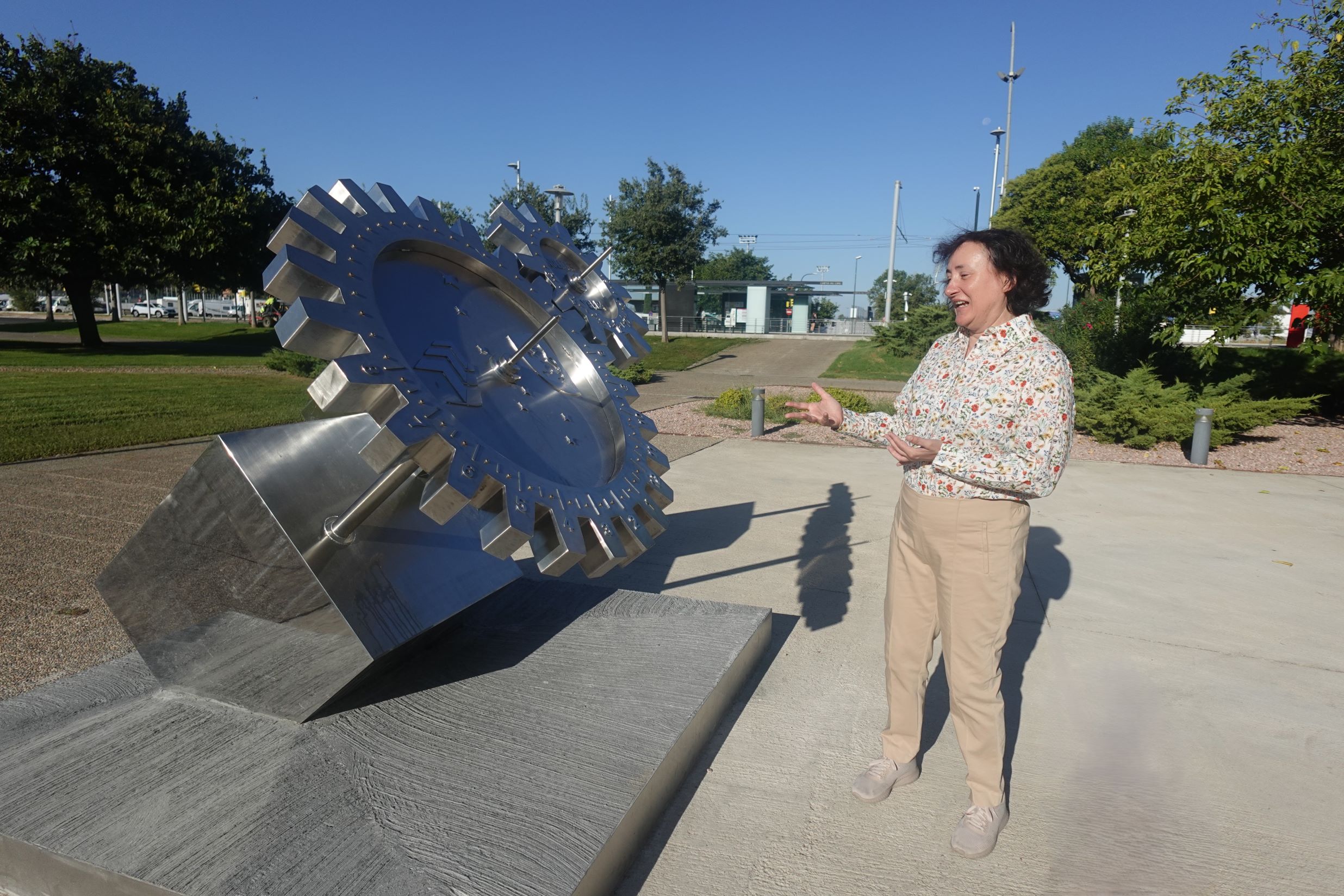
Mariel Estévez, PhD in Particle Physics, joins I3A after a career marked by statistics, programming and artificial intelligence. ‘I studied Physics at the University of Buenos Aires, did my PhD in particle physics, and over time I realised that I was very interested in applying all that to the field of computing,’ she explains. During her postdoctoral studies, she began working on audio interpretation and speaker verification and discovered the line of research she is pursuing today: the detection of pathologies and disorders through the voice.
Her Marie Curie project, MIND CLARITY, seeks to develop an artificial intelligence system capable of recognising, from voice recordings, whether a person is showing symptoms of depression. ‘The idea is to study systems that use voice to automatically recognise whether or not a person has depression, always with a view to it being used by a doctor and not for self-diagnosis,’ she says. But her approach is not limited to the accuracy of the model: ‘We don't want it to be the best of all, but rather to really know what it is doing,’ she emphasises. For her, transparency is essential: "Sometimes the computer learns things we don't want it to, such as the echo in the room or the type of microphone. We want to avoid those things and make sure it uses relevant physical characteristics.‘ Estévez emphasises: ’I chose this institute because I already knew it, I had been here before, I really liked it... but the most important thing was the quality of the people I worked with."
During his stay, he will collaborate with researchers Alfonso Ortega (VivoLab group) and Raquel Bailón (BSiCoS group), and will include a stay at the Sant Joan de Déu Hospital in Barcelona.
At the same time, Salvatore Ciano, PhD in Raw Materials Science, has been researching food analytical chemistry and the presence of contaminants for years. ‘I trained as a food scientist, but my speciality is analytical chemistry. I started working in food quality and safety assessment, and then I delved deeper into contaminants and analytical techniques,’ he summarises.
His SAFE-GREENPACK project analyses the new green materials that are replacing plastic in disposable packaging and tableware. Its aim is to scientifically determine whether these materials are truly safe. "My project involves assessing the safety of new disposable materials that come into contact with food. By “green”, I mean what is now perceived as good for the environment," he explains. The project is being carried out in three phases: a market study to identify which materials are currently present in everyday products; then, advanced chemical analyses to identify the substances present and their possible migration into food; and finally, a risk assessment to determine whether or not these amounts are harmful to health. ‘You will always find small amounts of contaminants. But the question is: is that amount dangerous or not?’ he asks.
Ciano highlights the importance of having obtained an MSCA. ‘The Marie Curie grant is very important for a researcher, both personally and professionally. It is prestigious, highly competitive, and the purpose of Marie Curie grants is to promote mobility, allowing researchers to discover different ways of working and demonstrating their ability to attract funding, which is a very important skill.’ He is clear about his choice of I3A: ‘The laboratory where I work now is one of the best in the world in the specific field I work in. For me, it was like, OK, I want to be here,’ he says.
The project is supervised by researchers Margarita Aznar and Elena Cañellas (GUIA group) and includes collaborations with the University of Antwerp and Gembloux Agro-Bio Tech.
Spain once again leads the European Union in the Marie Curie call for proposals, one of the most competitive on the continent. This year, more than 10,200 proposals were submitted and only 1,696 were funded. Spain secured 221 projects and €42.4 million, once again ranking as the country with the highest return.
In this highly demanding context, the I3A submitted 11 proposals and achieved an exceptional result: two projects funded and two Seals of Excellence, reaching a success rate of 36.3%, well above the European average (16.4%). These results reflect the I3A's commitment to research excellence, international mobility and advanced training for postdoctoral talent, contributing to Spain's leadership in Marie Skłodowska-Curie actions.
More info: https://marie-sklodowska-curie-actions.ec.europa.eu/calls/msca-postdoctoral-fellowships-2025